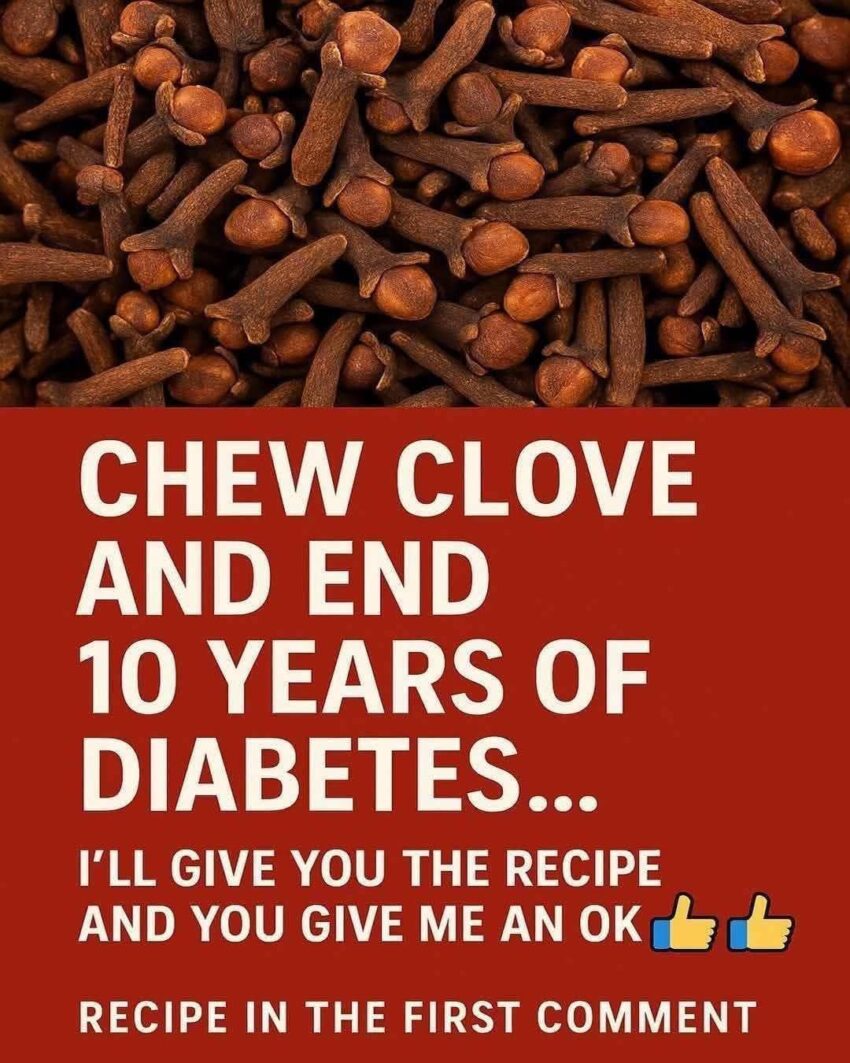
What science says about “unclogging arteries / lowering cholesterol naturally”
There are foods, herbs, and lifestyle changes shown to favorably influence cholesterol, inflammation, and blood‑vessel health. For example:
-
Eating foods high in soluble fiber (like oats), or rich in healthy fats (like fatty fish), can help lower LDL (“bad”) cholesterol — a major contributor to arterial plaque. Hindustan Times+2Healthline+2
-
Some natural products — e.g. ground flaxseed / flaxseed oil — contain omega‑3 fatty acids and fiber, which in some studies correlate with a modest reduction in cholesterol and heart–disease risk. Healthline+1
-
Eating certain foods with antioxidant and anti‑inflammatory properties (like berries, leafy greens, nuts, seeds, olive oil, etc.) may help protect arteries, improve blood‑vessel function, and reduce risk of further plaque buildup. Hindustan Times+2Midtown Atlanta Nephrology+2
So — yes — you can improve vascular health and reduce risk of heart disease with diet + lifestyle.
Important caveat: Even the best natural diets or “remedies” rarely — if ever — reverse advanced artery blockages or plaque buildup fully. Many “home remedy” claims that speak of dissolving existing cholesterol plaques or “cleaning” arteries are not supported by strong clinical evidence.
⚠️ What “homemade mixture cures everything” claims usually get wrong (or exaggerate)
-
There is no reliable clinical evidence that any mixture (food, herb, spice, or homemade concoction) can destroy cholesterol plaque already built up in arteries or “unclog fully.” Some mixtures may help slow further accumulation, but reversal of advanced blockages typically requires medical treatment under doctor supervision.
-
Claims about also “destroying parasites and bacteria throughout the body” are almost always unrelated to cholesterol / arteries. Parasite infections and cholesterol‑driven vascular disease are very different processes. Mixing these claims conflates different health problems without evidence.
-
“Miracle cure” mixtures often ignore safety — high doses of certain herbs/spices can have side effects (e.g. upset stomach, liver stress, interactions with medications), especially if used over long periods or by people with underlying conditions.
-
Natural ≠ harmless. Even seemingly “safe” herbs/spices may interfere with medications (e.g. blood thinners), or cause allergic or toxic reactions if overused.
🧑⚕️ What a safe, science‑informed “heart‑healthy lifestyle + diet plan” looks like (better than chasing “miracle mixture”)
If the goal is to support heart and artery health — and reduce risk of cholesterol‑related problems — research suggests these habits rather than “magic cures”:
-
Balanced diet: Include whole grains, soluble-fiber foods (oats, legumes), plenty of fruits/vegetables, nuts/seeds, healthy fats (like from fish or olive oil). Hindustan Times+2Healthline+2
-
Limit saturated/trans fats and processed foods, avoid or reduce red/ fatty meats, fried/ultra‑processed items. Healthline+1
-
Add foods with some evidence-based benefit — e.g. flaxseeds, fatty fish (omega‑3), nuts/seeds, berries, leafy greens. Healthline+1
-
Healthy lifestyle overall: regular physical activity, maintaining healthy weight, avoiding smoking, managing stress — all strongly influence heart health. Healthline+1
-
Medical checkups: If you have high cholesterol or risk factors (age, family history, diabetes, hypertension), discuss with a doctor. Sometimes prescription medications (like statins) are necessary and more effective than natural remedies. Healthline+1
🧪 Why I Recommend Skepticism if You’re Considering a “Powerful Homemade Mixture”
-
The human body — especially blood vessels and arteries — is complex. Plaque buildup involves many pathways: cholesterol levels, inflammation, blood‑vessel damage, blood clotting, lifestyle, genetics. No single mixture — however “powerful” — can reliably fix all of that.
-
Overpromising benefits (e.g. “destroy bacteria AND parasites AND clear arteries AND perfect health”) is a hallmark of miracle‑cure marketing, not evidence-based medicine.
-
There is real risk of side effects, interactions, or neglecting proper medical care if you rely solely on unproven remedies.
✅ What to Do Instead — A Realistic, Responsible Approach
-
Treat natural foods/herbs as adjuncts, not cures. Use them to support a healthy lifestyle.
-
If you have high cholesterol or vascular disease risk: get blood tests, talk to a doctor/cardiologist, follow medically‑recommended treatment (diet + lifestyle ± medications).
-
Adopt a heart‑healthy diet + lifestyle (as above).
-
Be skeptical of any recipe or mixture claiming to “reverse” advanced disease, or to act as a miracle cure.
-
Focus on long-term habits — sustainable diet, exercise, stress management — rather than quick-fix potions.