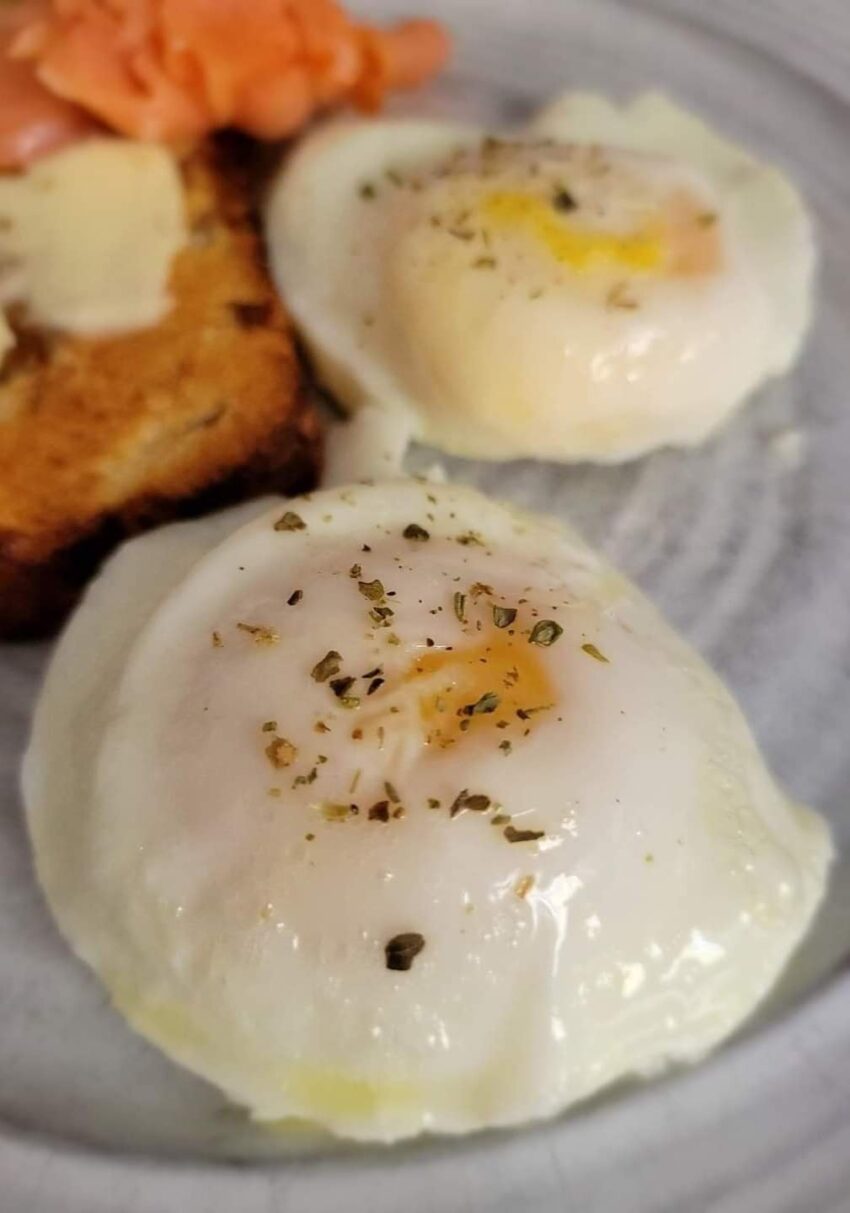
Introduction to Poached Eggs
Poached eggs are a timeless breakfast favorite and a healthy protein-packed addition to any meal. Whether nestled on a slice of avocado toast, served atop a warm grain bowl, or layered in classic eggs Benedict, poached eggs bring a soft, luxurious texture that’s hard to beat. Their delicate whites and golden runny yolks are the gold standard of cooking technique—and once mastered, they can elevate your kitchen skills significantly.
This comprehensive guide will walk you through everything you need to know about poaching eggs perfectly, every time. From the best egg selection and water temperature to easy troubleshooting and creative serving ideas, you’ll become confident in making this versatile dish at home.
What Makes Poached Eggs So Special?
Poached eggs are unique in that they’re cooked gently in simmering water, with no need for oil or butter. This makes them:
-
Low-calorie and healthy
-
Rich in protein and essential vitamins
-
Naturally gluten-free
-
Perfect for weight management and clean eating diets
What sets poached eggs apart from fried or boiled eggs is their creamy, velvety yolk surrounded by tender egg whites. They’re elegant enough for brunch but simple enough for a weekday breakfast.
Why This Poached Egg Method Works
There are dozens of techniques online, but many lead to frustration—runny whites, overcooked yolks, or eggs that spread into a mess. This reliable method uses high-ranking cooking principles like:
-
Fresh eggs: Firmer whites make for better poaching.
-
Simmering water (not boiling): Gentle heat ensures a soft, round shape.
-
Vinegar: Helps the egg white set quickly.
-
Swirling vortex technique (optional): Great for poaching a single egg.
This recipe is tried, tested, and perfect for beginners and seasoned cooks alike.
Choosing the Right Eggs
Freshness matters. The fresher the egg, the tighter the whites cling to the yolk. Older eggs tend to spread out in water, creating stringy, uneven results.
To check freshness: Submerge an egg in water. If it sinks and lies flat, it’s fresh. If it tilts or floats—save it for baking, not poaching.
Tools You’ll Need
-
A medium saucepan or deep skillet
-
A fine mesh sieve (optional but helpful)
-
Slotted spoon
-
Small ramekin or cup for cracking the egg
Step-by-Step: How to Poach Eggs Perfectly
1. Bring the Water to a Simmer
Fill a saucepan with 3–4 inches of water. Heat until just below boiling—look for small bubbles rising (about 180–190°F or 82–88°C). Avoid rapid boiling, which can tear the egg white.
2. Add Vinegar
Add 1 tablespoon of white vinegar to the water. It’s optional but helps the egg white coagulate quickly, resulting in a neater shape.
3. Crack the Egg Into a Cup
Always crack the egg into a ramekin or small bowl first. This helps gently slide the egg into the water and prevents shell fragments.
4. Create a Vortex (Optional)
Use a spoon to stir the water into a whirlpool. Drop the egg into the center of the swirling water. This technique is ideal when poaching one egg at a time and creates a beautifully round poached egg.
5. Poach the Egg
Let the egg cook undisturbed for 2.5 to 4 minutes depending on your desired yolk texture. For a classic runny yolk, 3 minutes is perfect.
6. Remove and Drain
Use a slotted spoon to lift the egg out gently. Drain on a paper towel to remove excess water.
Serving Suggestions
Poached eggs are extremely versatile. Here are some delicious ways to enjoy them:
-
On buttered toast with sea salt and pepper
-
Over avocado toast with chili flakes and lemon
-
In a Buddha bowl or grain salad
-
With sautéed spinach and mushrooms
-
On top of ramen, pasta, or rice
-
In classic Eggs Benedict with hollandaise sauce
Troubleshooting Common Issues
-
Whites spread too much? Egg might not be fresh, or water too hot.
-
Yolk is hard? Overcooked. Stick to the 3–4 minute window.
-
Stringy whites? Try straining the egg through a sieve before cooking to remove watery parts of the white.
Storing Poached Eggs
Poached eggs can be made ahead:
-
Refrigerate: Place in cold water in an airtight container for up to 2 days.
-
Reheat: Warm in hot (not boiling) water for 30–60 seconds before serving.
Tips & Tricks
-
Use a sieve to strain the egg white’s watery parts for a cleaner poach.
-
Add vinegar to help the egg white coagulate fast.
-
Swirl water only if poaching one egg—otherwise it disrupts multiple eggs.
-
Crack eggs into a bowl first for a smooth drop and zero shell mess.
-
Use fresh eggs only—they make all the difference!
Nutrition Per Egg (Approx.):
-
Calories: 70
-
Protein: 6g
-
Fat: 5g
-
Carbs: 0g
Conclusion
Poaching eggs at home doesn’t have to be intimidating. With a few simple tips, the right temperature, and a bit of practice, you can master this classic technique. These light, nutritious, and elegant eggs are perfect for quick breakfasts, healthy lunches, or fancy brunch spreads. Now that you know how to poach eggs like a pro, the possibilities are endless!
Quick Recipe Card
Poached Eggs Recipe
Description:
Delicate, soft-cooked eggs with tender whites and a runny yolk, poached eggs are a nutritious and versatile addition to any meal. This foolproof method ensures perfect results every time.
Duration:
⏱️ Prep Time: 5 minutes
⏱️ Cook Time: 3–4 minutes
🍽️ Serves: 1–4 eggs (scalable)
Ingredients:
-
Fresh eggs (1–4, as needed)
-
Water (enough to fill a saucepan 3–4 inches deep)
-
1 tablespoon white vinegar (optional)
Instructions:
-
Fill a saucepan with water and bring it to a gentle simmer (not boiling).
-
Add white vinegar to the water.
-
Crack each egg into a small ramekin or bowl.
-
Optional: Stir the water to create a gentle vortex.
-
Gently slide the egg into the water. Let cook for 3–4 minutes.
-
Use a slotted spoon to lift the egg and drain on a paper towel.
-
Serve immediately.
Tips & Tricks:
-
Use only fresh eggs for best results.
-
Don’t boil—simmer gently to avoid egg breakage.
-
Add vinegar to improve egg white cohesion.
-
Drain well before serving to prevent soggy toast.