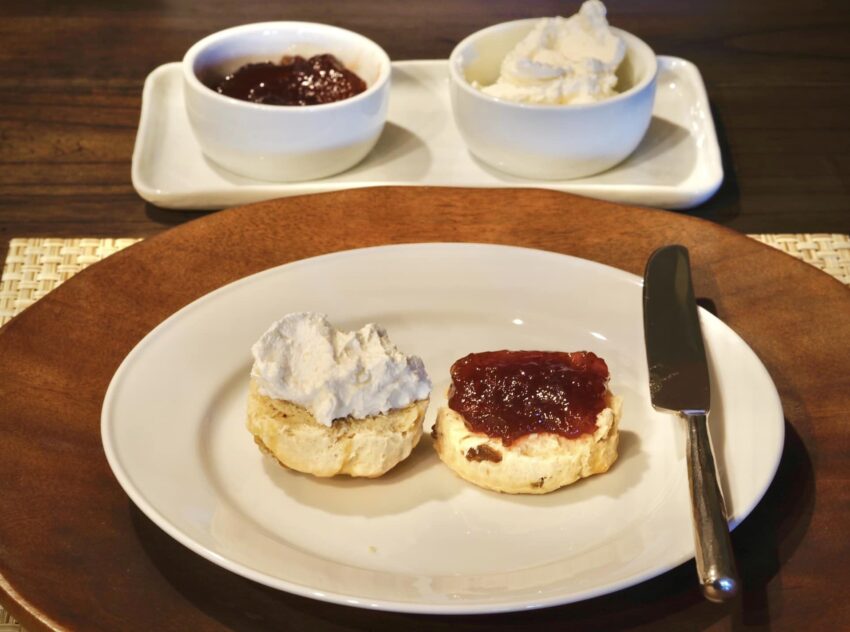
Introduction to Fruit Scones
Fruit scones are a quintessential part of traditional British baking—fluffy, golden, and lightly sweet with bursts of dried fruit in every bite. Whether you’re preparing for a classic afternoon tea, brunch with friends, or a cozy homemade treat, fruit scones are a timeless crowd-pleaser.
This guide walks you through everything you need to know about making the best fruit scones from scratch. From choosing the right flour and fats to tips on achieving that irresistible rise and flakiness, you’ll master the art of these bakery-style scones at home in no time.
What Are Fruit Scones?
Fruit scones are soft, biscuit-like pastries typically made with self-rising flour, butter, milk, and sugar, enriched with dried fruits like currants, sultanas, or raisins. Unlike American-style scones, which are often dense and very sweet, British scones are lighter and designed to be served with clotted cream and jam.
Their fluffy interior and lightly crisp top make them perfect for serving warm with tea or coffee. And because they’re so easy to make, they’re a staple in many households across the UK and beyond.
Why This Recipe Works
This fruit scone recipe is:
- Quick to make: Ready in under 30 minutes from start to finish.
- Made from pantry staples: No fancy ingredients required.
- Customizable: Swap in your favorite dried fruit or add spices.
- Fluffy and light: Thanks to chilled butter and minimal mixing.
Key Ingredients & Their Roles
Understanding your ingredients helps you bake better. Here’s what makes these fruit scones so perfect:
- Self-Raising Flour: Includes leavening agents that help the scones rise beautifully. If unavailable, use all-purpose flour with baking powder.
- Butter (Cold): Cold butter creates flakiness. As it melts in the oven, it releases steam, resulting in airy layers.
- Caster Sugar: Adds subtle sweetness without overpowering the fruit.
- Milk: Binds the dough and softens the crumb. Full-fat milk gives a richer texture.
- Egg (Optional for Glaze): Brushed on top before baking for a golden, glossy finish.
- Dried Fruit (Raisins, Sultanas, Currants): The star of the show—plump, sweet fruit adds texture and flavor to every bite.
Step-by-Step Instructions for Perfect Fruit Scones
1. Preheat & Prep
Start by preheating your oven to 200°C (390°F). Line a baking tray with parchment paper and set aside.
2. Mix the Dry Ingredients
In a large mixing bowl, sift the self-raising flour. Add a pinch of salt and stir in the caster sugar.
3. Rub in the Butter
Cut cold butter into cubes and add it to the flour. Use your fingertips to rub the butter into the flour until the mixture resembles fine breadcrumbs.
4. Add the Fruit
Stir in the dried fruit, ensuring it’s evenly distributed. This ensures you get fruit in every bite.
5. Pour in the Milk
Gradually pour in the milk, stirring gently with a butter knife or spoon. Mix just until a soft dough forms. Avoid overmixing to prevent tough scones.
6. Knead Lightly
Turn the dough onto a floured surface and knead very gently—only 3–4 turns. Press or roll the dough to about 2.5 cm (1 inch) thick.
7. Cut the Scones
Use a round cutter to stamp out the scones. Don’t twist the cutter—this helps them rise straight. Place each scone on your baking tray, slightly spaced apart.
8. Glaze & Bake
Brush the tops (not the sides) with beaten egg or milk for a golden finish. Bake for 12–15 minutes until risen and lightly browned.
Serving Suggestions
Fruit scones are best served warm with:
- Clotted cream and strawberry jam (classic combination)
- Whipped cream and honey
- Butter and marmalade
Pair them with a pot of English Breakfast or Earl Grey tea for the ultimate teatime treat.
How to Store & Reheat
Storing:
Cool completely, then store in an airtight container at room temperature for up to 2 days.
Freezing:
Freeze baked scones once cooled. Reheat in the oven at 160°C (320°F) for 5–10 minutes to restore freshness.
Reheating:
To revive day-old scones, warm them gently in the microwave or oven. Avoid over-heating, which can dry them out.
Fruit Scone Variations
- Orange & Cranberry: Swap raisins for dried cranberries and add orange zest.
- Apple Cinnamon: Add tiny apple cubes and a pinch of ground cinnamon.
- Lemon & Blueberry: Use dried blueberries and lemon zest for a zesty twist.
Tips & Tricks for Perfect Scones
- Use cold butter and cold milk for the best texture.
- Handle the dough gently to keep it light and fluffy.
- Do not twist the cutter—it seals the edges and prevents rise.
- Let them touch slightly on the tray for softer sides.
- Egg wash only the tops to avoid uneven baking.
Nutrition Snapshot (Per Scone, Approx.):
- Calories: 180–220
- Carbs: 30g
- Sugar: 8g
- Protein: 4g
- Fat: 7g
Conclusion
Fruit scones are the heart and soul of a proper British tea. With just a few simple ingredients and a quick bake, you’ll have warm, golden scones bursting with sweet dried fruit. Whether you serve them with jam and cream or enjoy them plain with butter, they never fail to bring comfort and joy. Once you master this basic recipe, you’ll find endless ways to make it your own.
Quick Recipe Card
Fruit Scones Recipe
Description:
Fluffy, lightly sweetened scones packed with juicy dried fruit. These classic fruit scones are perfect for afternoon tea, brunch, or a cozy snack.
Duration:
⏱️ Prep Time: 10 minutes
⏱️ Bake Time: 12–15 minutes
🍽️ Serves: 8–10 scones
Ingredients:
- 225g self-raising flour
- 55g cold butter, cubed
- 25g caster sugar
- 150ml milk
- 75g dried fruit (raisins, sultanas, or currants)
- 1 egg or extra milk (for glaze)
- Pinch of salt
Instructions:
- Preheat oven to 200°C (390°F) and line a baking tray.
- In a bowl, mix flour, salt, and sugar.
- Rub in the butter until mixture resembles fine breadcrumbs.
- Stir in dried fruit.
- Gradually add milk, mixing to form a soft dough.
- Turn dough onto floured surface, knead lightly, and roll to 2.5 cm thick.
- Cut out scones using a round cutter. Place on tray.
- Brush tops with egg or milk. Bake 12–15 minutes until golden.
- Serve warm with clotted cream and jam or your favorite toppings.
Tips & Tricks:
- Don’t overwork the dough—light hands yield fluffy results.
- Use fresh baking powder if making your own self-raising flour.
- Add zest or spices for seasonal variations.
- Freeze extras and reheat when needed.