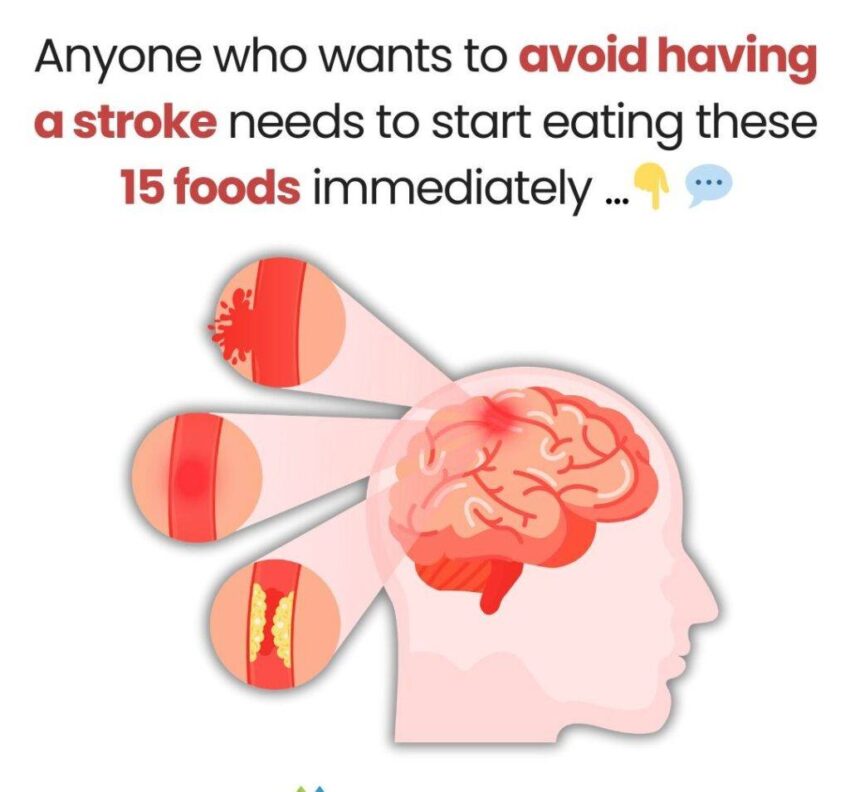
Foods That May Help Prevent Stroke
Here are foods considered protective against stroke, along with why they help.
-
Leafy greens (e.g. spinach, kale, collard greens, arugula) — These have dietary nitrates that the body converts to nitric oxide, helping relax arteries, improve blood flow, regulate blood pressure. Healthline+2Prevention+2
-
Fatty fish (e.g. salmon, mackerel, sardines, tuna) — Rich in omega‑3 fatty acids, which reduce inflammation, improve blood flow, help prevent blood clots. Healthline+2Cleveland Clinic+2
-
Whole grains (oats, brown rice, whole wheat, barley, etc.) — High in fiber, vitamins, minerals; linked to lower cholesterol, better blood sugar and vascular health. Food Revolution Network+2Mass General Brigham+2
-
Nuts and seeds (walnuts, almonds, flaxseeds, chia seeds, etc.) — Provide healthy fats (omega‑3 / unsaturated), fiber, antioxidants; help lower bad cholesterol and inflammation. RosyCheeked+2Mass General Brigham+2
-
Berries (blueberries, strawberries, raspberries, etc.) — High in antioxidants and flavonoids that reduce oxidative stress and inflammation, both linked to stroke risk. RosyCheeked+2RosyCheeked+2
-
Citrus fruits (oranges, grapefruit, lemons, etc.) — Rich in vitamin C, potassium, flavonoids; support healthy blood vessels and may help lower stroke risk. Healthline+2Prevention+2
-
Beans & legumes (lentils, chickpeas, kidney beans, etc.) — Good sources of plant‑based protein, fiber, magnesium/potassium; help maintain healthy blood pressure and blood vessels. Mass General Brigham+2Food Revolution Network+2
-
Yogurt / low‑fat dairy (or other calcium‑/potassium‑rich dairy‑substitutes) — Some studies link moderate dairy or yogurt consumption with lower cardiovascular / stroke risk, especially when substituting high-fat or processed foods. Healthline+1
-
Potassium-rich fruits/vegetables (e.g. bananas, sweet potatoes, avocado, etc.) — Potassium helps regulate blood pressure, which is a major risk factor for stroke. Mass General Brigham+2MedicineNet+2
-
Vegetables rich in nitrates/antioxidants (other than leafy greens) — Such as beets; nitrates help improve blood flow and vascular function. Prevention+1
-
Healthy fats including olive oil / unsaturated‑fat sources — Replacing saturated fats with healthier fats supports vascular health and reduces cholesterol. Mass General Brigham+2Cleveland Clinic+2
-
Foods rich in magnesium & fiber (whole grains, beans, nuts, leafy greens, etc.) — These nutrients help maintain healthy blood pressure, reduce clotting risk, improve vessel health. MedicineNet+1
-
Moderate amounts of coffee or tea (where diet & health permit) — Some studies link moderate coffee or green tea intake to lower stroke risk, likely via antioxidant effects. Prevention+2Food Revolution Network+2
-
Tomatoes (or other lycopene-rich vegetables/fruits) — Lycopene has been associated with lower stroke risk in some research, likely through antioxidant and vascular benefits. Food Revolution Network+1
-
Avoid / limit foods that increase risk: While not a “food to eat,” it’s important to reduce consumption of red / processed meats, fried or heavily processed foods, high‑salt and high‑saturated‑fat items — these increase stroke risk. Cleveland Clinic+2Mass General Brigham+2
🥗 How to Use This — Practical Diet & Lifestyle Directions
Here are concrete steps you can take to build a “stroke‑resistant” diet and eating habits:
-
Try to have leafy greens almost daily — e.g. add spinach or kale in breakfast omelet, lunchtime salad, or in curries.
-
Eat fatty fish (like mackerel, salmon or sardines) 2–3 times per week — you can prepare grilled, baked or lightly cooked fish instead of fried.
-
For grains, shift from white rice and white bread to whole‑grain alternatives like brown rice, whole wheat chapati, oats, barley.
-
Use nuts/seeds as snacks instead of fried or processed snacks — a small handful daily is often recommended.
-
Include fruits daily — like berries (fresh or frozen), citrus fruits, bananas, etc. as snacks or desserts.
-
Use legumes/beans in meals (daal, chana, beans curry) 2–3 times per week instead of always relying on meat.
-
Prefer healthy fats (e.g. olive oil, avocado, nuts) over saturated‑fat heavy oils, ghee or butter — for cooking or dressings.
-
Maintain adequate fruit & vegetable diversity, including potassium‑ and magnesium‑rich produce (e.g. sweet potato, bananas, beets, tomatoes).
-
If you consume dairy, prefer low‑fat or moderate‑fat yogurt / milk, and avoid heavy, high‑fat dairy often.
-
Limit salt, added sugar, processed foods, deep‑fried and red/processed meats — high salt and unhealthy fats are strong stroke risk factors.
-
Stay consistent — stroke prevention is long-term: a balanced daily/weekly routine matters more than occasional healthy meals.
-
Combine dietary changes with other healthy habits: regular physical activity, maintaining healthy weight, avoiding smoking, managing blood pressure and blood sugar.
⚠️ A Few Important Caveats & Additional Advice
-
Eating healthy reduces risk — but does not guarantee you will avoid stroke. Other factors matter (genes, age, blood pressure, lifestyle, stress, medical history).
-
If you have medical conditions (e.g. very low blood pressure, certain diseases, pregnancy, specific medications), some diet changes (like more potassium, more fish, more nitrates) need to be discussed with a doctor.
-
Don’t overdo “super‑foods” — balance and variety matter more than relying on a few “magic” items.
-
Habits matter: regularity, overall diet pattern, portion sizes — excessively eating even healthy food may not help.