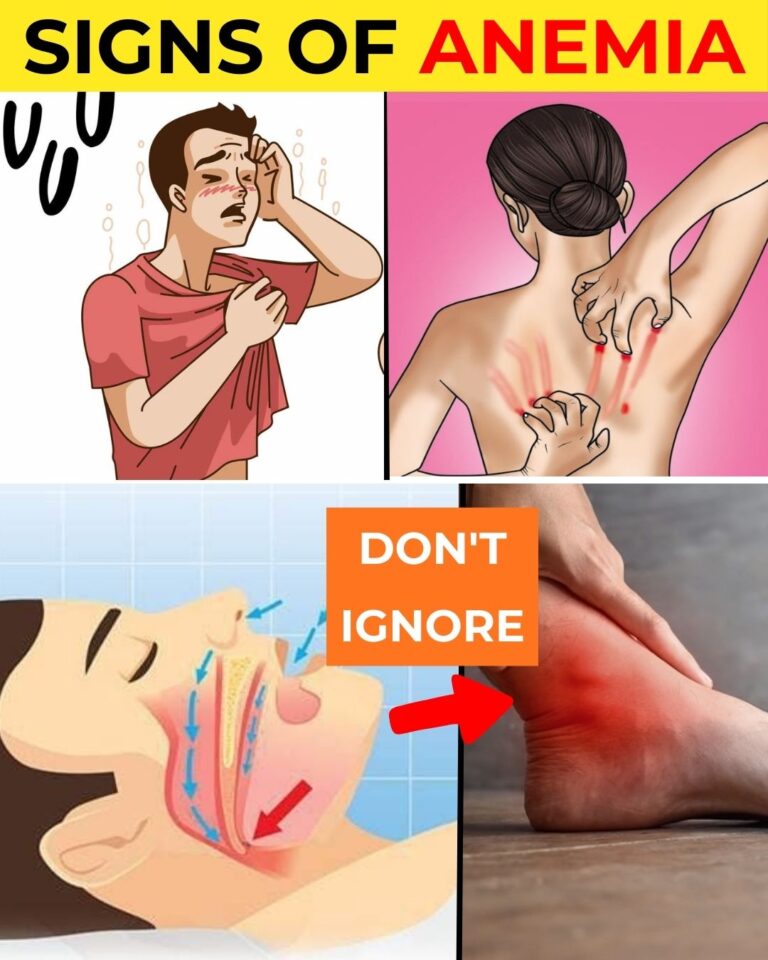
Shortness of Breath During Routine Activity
-
Why it happens: Low hemoglobin means your blood carries less oxygen. Even small exertion, like climbing stairs, may leave you breathless.
-
What to do: Monitor your breathing with normal activity. If persistent, consult a doctor and request a complete blood count (CBC) test.
2. Unusual Weakness or Fatigue
-
Silent sign: Feeling drained even after sufficient rest.
-
Why it happens: Your tissues and muscles aren’t getting enough oxygen.
-
Direction: Track your energy levels. If fatigue persists for weeks without an obvious cause, see a healthcare professional. They may recommend iron studies, vitamin B12, and folate tests.
3. Pale or Yellowish Skin
-
Subtle signs: Slightly paler face, lips, or nail beds than usual.
-
Why it happens: Reduced red blood cells or destruction of RBCs (hemolytic anemia) can cause pallor or jaundice.
-
Direction: Compare skin tone under natural light. If persistent, get a CBC and liver function test.
4. Cold Hands and Feet
-
Why it happens: Poor circulation due to low oxygen transport.
-
Direction: Keep a diary of temperature sensitivity. Persistent cold extremities, especially with fatigue, warrant a blood test for anemia.
5. Headaches or Dizziness
-
Silent symptom: Mild, frequent headaches or feeling lightheaded while standing.
-
Why it happens: Brain gets less oxygen due to low hemoglobin.
-
Direction: Don’t self-medicate; discuss these symptoms with your doctor for CBC and iron profile.
6. Heart Palpitations
-
Silent sign: Feeling like your heart is racing or skipping beats without exertion.
-
Why it happens: Heart works harder to compensate for low oxygen.
-
Direction: Record episodes. If frequent, a cardiology consultation and blood tests are recommended.
7. Brittle Nails or Hair Loss
-
Subtle signs: Nails becoming spoon-shaped or breaking easily, unexplained hair thinning.
-
Why it happens: Iron deficiency affects keratin production.
-
Direction: Examine diet and nutrient intake; get a ferritin and iron panel.
8. Difficulty Concentrating (“Brain Fog”)
-
Why it happens: Oxygen deficiency affects brain function.
-
Direction: Note memory lapses, poor focus, or confusion. Inform a physician for blood tests and check for vitamin B12 deficiency.
General Directions for Silent Anemia Symptoms
-
Track symptoms: Keep a symptom diary—when they appear, duration, severity.
-
Blood tests to request:
-
CBC (Complete Blood Count)
-
Iron, Ferritin, TIBC
-
Vitamin B12 and Folate
-
Reticulocyte count (if needed)
-
-
Consult a healthcare provider: Early detection prevents complications like heart strain or severe fatigue.
-
Dietary adjustments (after consultation):
-
Iron-rich foods: lean red meat, spinach, lentils
-
Vitamin C to enhance iron absorption: citrus fruits, bell peppers
-
Vitamin B12 sources: eggs, dairy, fortified cereals
-
Folate: leafy greens, beans, citrus
-
-
Follow-up: Repeat testing as recommended by your doctor to ensure improvement.