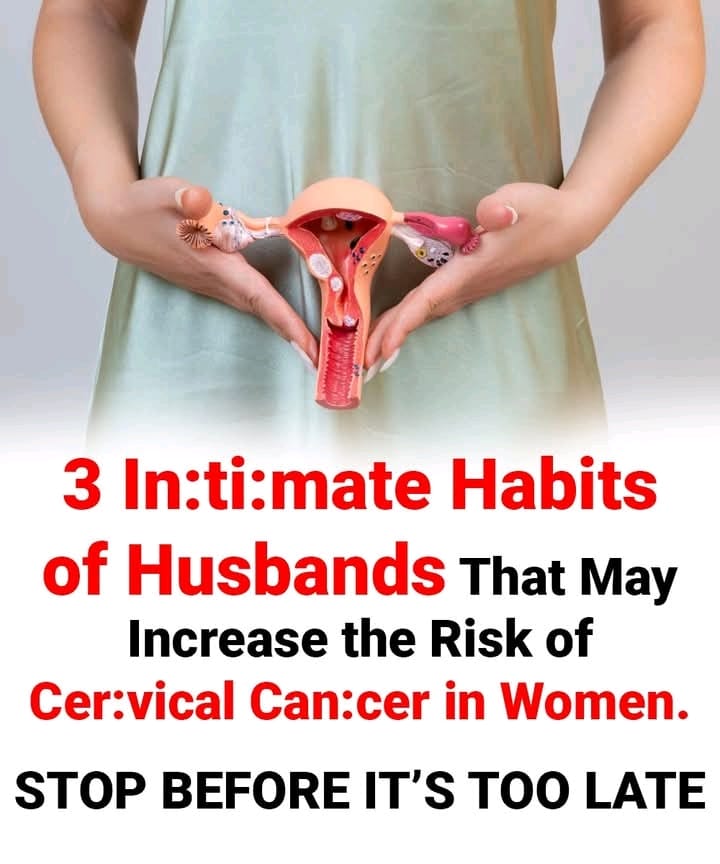
Here are habits and lifestyle factors that can increase the risk of cervical cancer in women. These don’t guarantee cancer, but they raise the chances, especially when combined with HPV infection (the main cause of cervical cancer).
Unhealthy Habits That Can Increase Cervical Cancer Risk
1. Smoking
-
Tobacco chemicals damage cervical cells.
-
Smokers are twice as likely to develop cervical cancer.
-
Smoking also weakens immune response against HPV.
2. Poor Sexual Health Practices
These increase the chances of getting HPV infection:
-
Having unprotected sex
-
Having multiple sexual partners
-
Starting sexual activity at a very young age
HPV is responsible for over 90% of cervical cancers.
3. Poor Personal Hygiene
Not maintaining genital hygiene can contribute to infections that weaken the cervix and may make HPV persistence more likely.
4. Long-term Use of Birth Control Pills (5+ years)
This slightly increases the risk, especially without medical supervision.
(The risk drops back to normal once pills are stopped.)
5. Weakened Immune System
Habits that weaken immunity—such as lack of sleep, chronic stress, poor diet, or untreated diseases—make it harder for the body to clear HPV.
6. Poor Diet (Low in Fruits & Vegetables)
A lack of antioxidants (vitamins A, C, E) increases the risk of cervical cell changes.
7. Not Getting Regular Screenings
Skipping:
-
Pap smears, and
-
HPV tests
allows abnormal cells to progress unnoticed.
Regular screening can detect precancerous changes early—before they turn into cancer.
8. Multiple Pregnancies Without Medical Care
Women who have had three or more full-term pregnancies have a higher risk, partly due to hormonal changes and exposure to HPV.
What Women Can Do to Reduce Risk
-
Get regular Pap/HPV tests
-
Avoid smoking
-
Practice safe sex
-
Maintain genital hygiene
-
Eat a nutrient-rich diet
-
Get the HPV vaccine if eligible (even adults up to 45 in some countries)