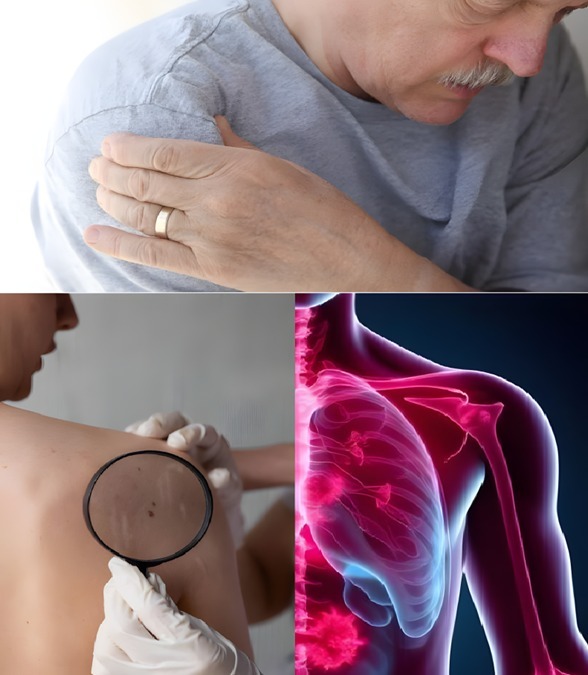
Here’s a detailed breakdown of 16 early warning signs that cancer may be developing in your body, along with explanations and guidance on what to do if you notice them. These signs are subtle and can be mistaken for less serious conditions, which is why awareness is key.
1. Unexplained Weight Loss
-
Detail: Losing 10 pounds or more without trying can signal cancers like pancreatic, stomach, esophageal, or lung cancer.
-
Direction: Track your weight regularly. If you notice unexplained loss, consult a doctor for evaluation.
2. Persistent Fatigue
-
Detail: Feeling extremely tired even after adequate sleep may indicate leukemia, colon, or stomach cancer.
-
Direction: Note how long fatigue lasts. Persistent fatigue that doesn’t improve with rest should prompt a medical check-up.
3. Unusual Bleeding or Discharge
-
Detail: Blood in stool, urine, or cough (hemoptysis), unusual vaginal bleeding, or nipple discharge can indicate cancers like colorectal, bladder, or breast cancer.
-
Direction: Report any unexplained bleeding immediately to a healthcare professional.
4. Lumps or Thickened Areas
-
Detail: New lumps in the breast, testicles, or neck may be an early sign of cancer.
-
Direction: Self-examine regularly and get any persistent lump checked by a doctor.
5. Persistent Cough or Hoarseness
-
Detail: A cough that doesn’t go away, or a persistent hoarse voice, can indicate lung or throat cancer.
-
Direction: Seek medical evaluation if a cough persists more than three weeks.
6. Changes in Skin
-
Detail: New moles, changes in existing moles, yellowing of skin or eyes, or sores that don’t heal may indicate skin or liver cancer.
-
Direction: Monitor skin changes and see a dermatologist for unusual changes.
7. Difficulty Swallowing or Indigestion
-
Detail: Persistent trouble swallowing, chronic heartburn, or stomach discomfort may be related to esophageal, stomach, or throat cancer.
-
Direction: If symptoms persist longer than two weeks, seek medical advice.
8. Persistent Pain
-
Detail: Ongoing pain without obvious cause (back, bone, or abdominal pain) may indicate bone, pancreatic, or other cancers.
-
Direction: Track pain patterns and discuss with your doctor, especially if it worsens or doesn’t respond to usual remedies.
9. Night Sweats or Fever
-
Detail: Unexplained fevers or night sweats can be early signs of blood cancers like lymphoma or leukemia.
-
Direction: Note fever patterns and consult a physician for unexplained recurrent fevers.
10. Swelling or Fluid Accumulation
-
Detail: Swelling in legs, abdomen (ascites), or around the lungs can indicate cancers such as ovarian, kidney, or lung cancer.
-
Direction: Report swelling or fluid build-up to a healthcare provider promptly.
11. Persistent Indigestion or Nausea
-
Detail: Continuous nausea, vomiting, or feeling full quickly may signal stomach, liver, or pancreatic cancers.
-
Direction: Keep a symptom diary and see a doctor if persistent.
12. Changes in Bowel or Bladder Habits
-
Detail: Constipation, diarrhea, or changes in urine frequency or color can indicate colorectal, bladder, or prostate cancer.
-
Direction: Track changes and get checked if they persist beyond a few weeks.
13. Unexplained Itching
-
Detail: Persistent itching, especially without rash, can indicate blood cancers like lymphoma or liver cancer.
-
Direction: Report severe or persistent itching to a doctor for evaluation.
14. Unexplained Swollen Lymph Nodes
-
Detail: Painless swelling in neck, armpit, or groin may indicate lymphoma or other cancers.
-
Direction: Do not ignore persistent swelling; get examined by a healthcare professional.
15. Changes in Mouth or Tongue
-
Detail: White or red patches, persistent sores, or bleeding gums may indicate oral or throat cancers.
-
Direction: Visit a dentist or doctor if oral changes persist for more than two weeks.
16. Difficulty Breathing or Chest Pain
-
Detail: Shortness of breath, chest discomfort, or persistent coughing can be signs of lung cancer or other thoracic cancers.
-
Direction: Seek medical assessment immediately if these symptoms are new or worsening.
⚠️ Important Guidance
-
Early detection improves outcomes significantly.
-
Track and document any persistent or unusual symptoms.
-
Avoid self-diagnosis; always consult a qualified healthcare professional for testing if multiple signs are present.
-
Lifestyle factors (smoking, alcohol, diet, exercise) play a role in risk and should be addressed.